Yes, it is possible to get in shape in 12 weeks with a consistent and well-structured strength training program, especially for adults over 50 1. A 12-week strength training program for over 50 can lead to noticeable improvements in muscle strength, balance, mobility, and metabolic health when combined with proper nutrition and recovery. Key factors include progressive overload, minimal equipment (like dumbbells), and adherence to a phased plan that builds from foundational movements to metabolic conditioning. Avoid skipping rest days or rushing intensity increases to reduce injury risk.
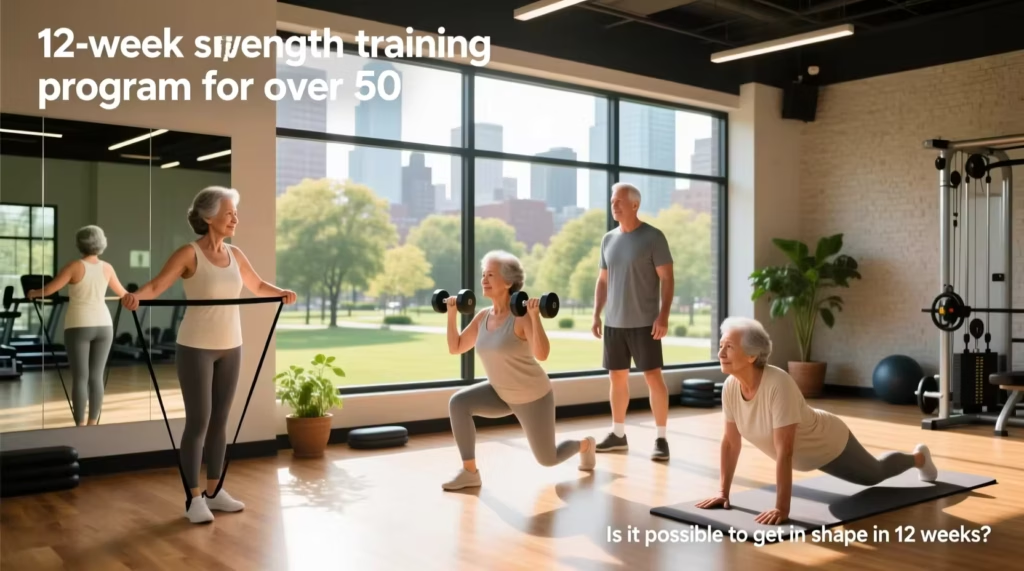
About the 12-Week Strength Training Program for Adults Over 50
🏋️♀️ A 12-week strength training program for adults over 50 is a time-bound, progressive fitness plan designed to enhance physical function, build lean muscle, and support healthy aging. Unlike high-intensity crash programs, this approach emphasizes gradual progression, joint safety, and functional movement patterns such as squatting, pushing, pulling, and balancing.
This type of program typically includes resistance exercises using bodyweight, dumbbells, resistance bands, or household items. It’s structured across three monthly phases: foundation building, strength development, and metabolic conditioning. Each phase increases in complexity and intensity to match physiological adaptation timelines.
Common use cases include individuals seeking to regain lost strength after inactivity, improve daily mobility, prepare for active lifestyles, or maintain independence. The focus is not on aesthetic goals alone but on measurable improvements in physical capability and resilience.
Why This 12-Week Approach Is Gaining Popularity
✨ The 12-week timeframe strikes a balance between realism and results. For many over 50, long-term commitments feel daunting, but a 12-week window offers a manageable challenge with visible outcomes. Research shows significant gains in strength and function are achievable within this period 2.
Additionally, societal shifts toward proactive aging, increased awareness of sarcopenia (age-related muscle loss), and accessible home-based workouts have fueled interest. Programs requiring minimal equipment appeal to those avoiding gyms or managing limited mobility. Free downloadable plans further lower entry barriers, making strength training more inclusive.
People are also recognizing that fitness after 50 isn’t about returning to youth but optimizing current function. A structured 12-week guide provides clarity, reducing confusion from conflicting online advice.
Approaches and Differences in 12-Week Programs
Different models exist for implementing a 12-week strength training program for over 50. Below are common approaches with their advantages and limitations:
- Home-Based Bodyweight + Dumbbell Training
- ✅ Pros: Low cost, no commute, adaptable to space constraints
- ❗ Cons: Requires self-discipline; limited load progression without equipment
- Progressive Resistance with Bands and Weights
- ✅ Pros: Joint-friendly resistance, scalable intensity, portable
- ❗ Cons: Band tension may vary; technique errors can go unnoticed
- Tai-Chi Integrated Strength Plans
- ✅ Pros: Enhances balance, coordination, and mindfulness
- ❗ Cons: Slower strength gains compared to traditional resistance work
- Gym-Based Supervised Programs
- ✅ Pros: Access to machines, professional feedback, social motivation
- ❗ Cons: Higher cost, scheduling demands, potential intimidation
Key Features and Specifications to Evaluate
When assessing any 12-week strength training program for over 50, consider these evidence-informed metrics:
- 📌 Progression Model: Does it follow a logical increase in volume, intensity, or complexity? Look for weekly or bi-weekly adjustments.
- 📌 Exercise Selection: Are movements functional (e.g., squats, lunges, presses)? Do they target major muscle groups evenly?
- 📌 Safety Design: Are modifications provided for knee, shoulder, or back concerns? Is there an emphasis on form over speed?
- 📌 Frequency & Recovery: Ideal plans include 3–4 training days with at least two rest days per week 3.
- 📌 Measurable Outcomes: Does the plan suggest tracking methods (e.g., chair stand test, step count, perceived exertion)?
- 📌 Nutrition Guidance: While not medical advice, inclusion of general protein and hydration tips supports better results.
Pros and Cons of a 12-Week Plan for Over 50s
✅ Pros:
- Improved muscle strength and endurance
- Better balance and reduced fall risk
- Enhanced metabolic markers like glucose and cholesterol
- Reversal of pre-frailty indicators in older adults 4
- Increased confidence in daily physical tasks
❗ Cons:
- Risk of overtraining if progression is too rapid
- Potential discouragement if expectations are unrealistic
- Limited effectiveness without attention to nutrition and sleep
- May require equipment adjustments based on individual mobility
How to Choose the Right 12-Week Strength Program
Selecting an effective 12-week strength training program for over 50 involves evaluating personal needs and practical logistics. Follow this decision checklist:
- Assess Your Starting Point: Be honest about current fitness level. Choose beginner-friendly plans if restarting after inactivity.
- Check Equipment Needs: Ensure you have access to required tools (e.g., dumbbells, resistance bands). Many free plans use minimal gear.
- Look for Phased Structure: Opt for programs divided into stages (foundation, strength, conditioning) rather than repetitive routines.
- Evaluate Support Materials: Video demonstrations, printable calendars, and progress trackers improve adherence.
- Avoid These Pitfalls:
- ❌ Programs promising extreme weight loss or dramatic transformations
- ❌ Lack of rest days or warm-up/cool-down guidance
- ❌ No form cues or modification options
Insights & Cost Analysis
Cost varies widely depending on delivery method. Here’s a breakdown of typical options:
| Type | Benefits | Potential Drawbacks | Budget |
|---|---|---|---|
| Free Online PDF Plans | Accessible, printable, no cost | Limited personalization | $0 |
| Subscription Apps ($10–15/month) | Customized plans, video coaching | Ongoing cost, digital dependency | $40–$60 |
| In-Person Trainer (group session) | Form correction, motivation | Scheduling limits, higher cost | $100–$300 |
| One-on-One Coaching | Fully tailored, accountability | Expensive, may not be necessary | $400+ |
For most, a free structured PDF with video support offers excellent value. Total investment in basic dumbbells or bands ranges from $20–$50, making home-based programs highly cost-effective.
Better Solutions & Competitor Analysis
While many programs exist, the most effective ones combine structure, scalability, and accessibility. Below is a comparison of features found in leading non-commercial 12-week plans:
| Feature | Basic Free Plan | Premium App Plan | Community-Led Program |
|---|---|---|---|
| Progress Tracking Tools | Limited (manual logging) | Automated charts, reminders | Peer sharing, group logs |
| Video Demonstrations | Sometimes included | Always available | Varies by leader |
| Adaptability for Mobility | Basic modifications | Multiple difficulty levels | Group-suggested tweaks |
| Support Community | No | In-app forums | Strong peer interaction |
| Cost | $0 | $40+ over 12 weeks | $0–$20 (donation-based) |
A hybrid approach—using a free downloadable plan with supplemental YouTube tutorials—often delivers optimal balance between quality and affordability.
Customer Feedback Synthesis
Analysis of user experiences across forums and review platforms reveals recurring themes:
✅ Frequent Praise:
- “I could finally get up from the floor without using my hands.”
- “The weekly structure kept me accountable.”
- “Using just two dumbbells made it easy to start.”
❗ Common Complaints:
- “Some exercises weren’t clear without videos.”
- “I needed more modification ideas for knee pain.”
- “Motivation dropped in week 8 without progress photos.”
Maintenance, Safety & Legal Considerations
🏋️♀️ Safety First: Always begin with a dynamic warm-up and end with stretching. Focus on controlled movements rather than speed. Listen to your body—sharp pain is not normal.
Ensure your environment is safe: clear space, non-slip flooring, and stable surfaces for support if needed. Stay hydrated before, during, and after sessions.
🛑 Maintenance Tips:
- After 12 weeks, transition into a maintenance phase with 2–3 strength sessions weekly.
- Reassess goals every 3 months to adjust intensity or focus.
- Integrate walking, flexibility, or mindfulness practices for holistic health.
⚖️ Legal Note: Fitness programs are not medical treatments. Consult a qualified professional if you have underlying health conditions. Descriptions here are for informational purposes only and do not constitute personalized advice.
Conclusion
If you’re over 50 and want to improve strength, balance, and daily function in a realistic timeframe, a structured 12-week strength training program is a viable option. Success depends on consistency, gradual progression, and attention to recovery and nutrition. Free downloadable PDF plans with clear instructions and video support offer an accessible starting point. Results may vary based on starting fitness level and adherence, but meaningful improvements are well within reach for most.
FAQs
Is it possible to get in shape in 12 weeks after 50?
Yes, noticeable improvements in strength, endurance, and mobility are achievable within 12 weeks with consistent effort and a structured plan.
Can I do a 12-week strength program at home with no equipment?
You can start with bodyweight exercises, but adding light dumbbells or resistance bands improves effectiveness and progression.
How often should I train in a 12-week program?
Most effective plans include 3 to 4 strength sessions per week with at least two rest or active recovery days.
Where can I find a free 12-week strength training plan PDF?
Several reputable fitness sites offer free, printable 12-week plans designed for beginners and intermediate users over 50.
What results can I expect from a 12-week strength program?
Expected outcomes include increased muscle strength, better balance, improved energy, and enhanced ability to perform daily activities.