A 2-minute ice bath can reduce muscle soreness, improve circulation, and boost mental alertness by triggering physiological responses to cold exposure 12. While some suggest it may support fat loss through brown fat activation, current evidence remains limited and inconclusive 34. For healthy individuals seeking post-workout recovery or mood enhancement, a brief cold plunge may offer benefits when practiced safely and consistently. However, those with cardiovascular sensitivities should exercise caution due to risks like cold shock response 5.
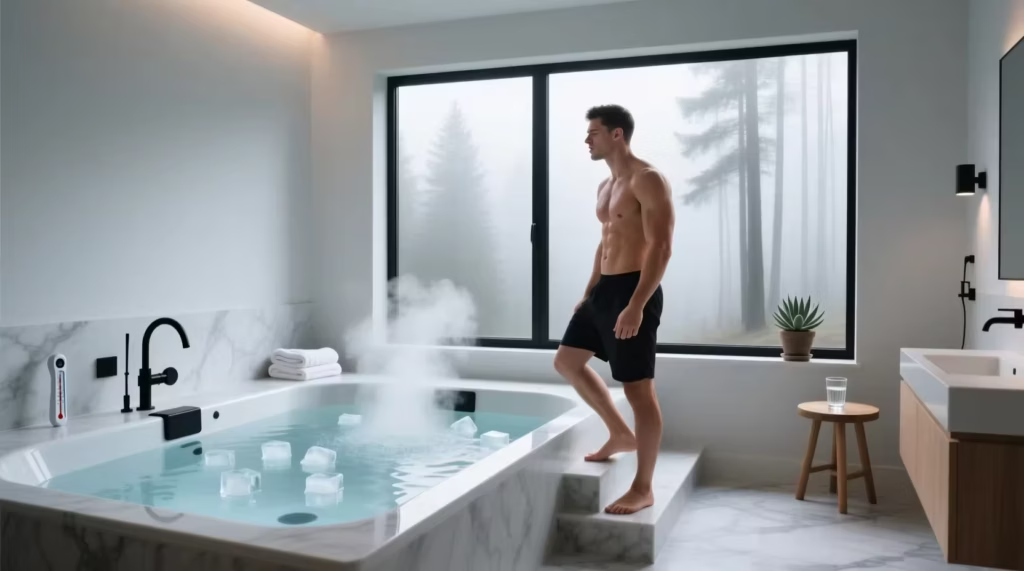
About the 2-Minute Ice Bath
📌 A 2-minute ice bath is a form of short-duration cold water immersion (CWI), typically involving sitting in chilled water between 50°F (10°C) and 59°F (15°C) for exactly two minutes. This practice has roots in athletic recovery but is now widely adopted in general wellness routines as a tool for physical resilience and mental clarity.
Unlike longer or more extreme cold plunges, the 2-minute duration balances effectiveness with safety, minimizing risks like hypothermia while still stimulating key biological responses. It’s commonly used after exercise to help manage inflammation and speed up recovery, but many also use it in the morning to increase alertness or as part of a mindfulness routine to build mental discipline.
The core mechanism involves vasoconstriction — the narrowing of blood vessels in response to cold — which helps flush metabolic waste from muscles. Once out of the bath, rewarming causes vasodilation, increasing blood flow and delivering oxygen-rich blood back to tissues.
Why the 2-Minute Ice Bath Is Gaining Popularity
✨ The rise of biohacking and self-optimization culture has fueled interest in simple, non-invasive tools that promise measurable improvements in energy, focus, and recovery. Cold exposure, particularly in controlled formats like the 2-minute ice bath, fits this trend perfectly.
- Mental Resilience Training: Many practitioners view the discomfort of cold immersion as a daily challenge that strengthens emotional regulation and stress tolerance 6.
- Natural Energy Boost: Without caffeine or stimulants, users report increased wakefulness and improved mood after a plunge, linked to endorphin and dopamine release 7.
- Integration into Fitness Routines: Athletes and fitness enthusiasts adopt it as a recovery protocol, especially after intense training sessions.
- Digital Detox Companion: Some pair the experience with breathwork or meditation, using the sensory intensity to anchor attention in the present moment — a form of active mindfulness.
Approaches and Differences
While all involve cold exposure, different methods vary in temperature, duration, accessibility, and intended outcomes.
| Method | Typical Use Case | Pros | Cons |
|---|---|---|---|
| 2-Minute Ice Bath | Daily wellness, post-exercise recovery | Controlled, low-risk, consistent routine possible | Requires setup (tub, ice, thermometer) |
| Whole-Body Cryotherapy | Professional recovery centers, short-term relief | Very cold (-100°C+), no wet clothing, quick session | Expensive, limited long-term data, less accessible |
| Cold Showers | Beginner-friendly introduction to cold exposure | No special equipment, easy to integrate daily | Less effective for deep tissue cooling, inconsistent temp |
| Natural Water Plunging | Outdoor enthusiasts, seasonal practice | Free, immersive nature experience | Unpredictable temps, safety concerns, seasonal limits |
Key Features and Specifications to Evaluate
When considering a 2-minute ice bath routine, assess these measurable factors to ensure both efficacy and safety:
- Water Temperature: Aim for 50–59°F (10–15°C). Below 50°F increases cold shock risk 8.
- Duration: Two minutes is sufficient for most people. Longer durations don’t necessarily enhance benefits and raise hypothermia risk.
- Frequency: 3–5 times per week shows better adaptation over time than sporadic use.
- Immersion Level: Chest-level submersion ensures adequate thermal load without excessive strain.
- Entry Method: Gradual entry reduces cold shock compared to jumping in.
- Monitoring Tools: Use a waterproof thermometer and timer to maintain consistency.
Pros and Cons
| Aspect | Benefits ✅ | Potential Risks ❗ |
|---|---|---|
| Physical Recovery | Reduces delayed onset muscle soreness (DOMS), improves circulation | Limited benefit if done immediately post-strength training (may blunt hypertrophy signals) |
| Mental Clarity | Increases alertness, enhances focus, elevates mood via neurotransmitter release | Initial discomfort may deter beginners |
| Metabolic Effects | Potential activation of brown adipose tissue (BAT), improved insulin sensitivity | No strong evidence for significant fat loss; results vary widely |
| Safety | Low risk when guidelines followed | Risk of cold shock, nerve issues, or cardiovascular stress in sensitive individuals |
How to Choose a Safe and Effective 2-Minute Ice Bath Routine
Follow this step-by-step guide to implement a sustainable and beneficial practice:
- Consult a Professional: If you have any underlying health conditions — especially related to heart, circulation, or nerves — seek guidance before starting.
- Start Gradually: Begin with cold showers for 30 seconds and work up to full immersion. This helps your body adapt to thermal stress.
- Prepare Your Setup: Use a bathtub, kiddie pool, or dedicated plunge tub. Add ice and cold water, then verify temperature with a reliable thermometer.
- Time It Right: Set a timer for exactly 2 minutes. Avoid extending the session unnecessarily.
- Enter Slowly: Sit down gradually to minimize gasping and rapid breathing caused by cold shock.
- Breathe Mindfully: Focus on slow, deep breaths to regulate your nervous system response.
- Warm Up Naturally: After exiting, dry off and dress warmly. Avoid hot showers immediately, as they can cause blood pressure shifts.
- Track Your Response: Keep a simple log of how you feel before and after each session to identify patterns.
❗ What to Avoid: Never perform an ice bath alone, skip warming up afterward, exceed recommended durations, or use extremely cold water (<50°F). Also, avoid doing it right after strength training if muscle growth is your primary goal.
Insights & Cost Analysis
Implementing a 2-minute ice bath doesn’t require high investment initially. Here’s a breakdown:
- DIY Option: Standard bathtub + bagged ice (~$5 per session) = $60–$100 monthly cost depending on frequency.
- Portable Plunge Tub: One-time purchase ($800–$2,000), includes chilling unit, reusable.
- Gym or Studio Access: $20–$50 per session at wellness centers offering cryotherapy or cold plunge services.
For regular users (4+ times weekly), a dedicated system may offer better long-term value despite upfront cost. However, most beginners achieve similar results with basic setups. Always compare total cost of ownership and maintenance needs before upgrading.
Better Solutions & Competitor Analysis
While the 2-minute ice bath is effective, alternatives exist depending on goals and access.
| Solution | Best For | Potential Drawbacks |
|---|---|---|
| 2-Minute Ice Bath | Balanced recovery, mental stimulation, home use | Requires prep time and cleanup |
| Cold-Water Swimming (Outdoors) | Nature integration, endurance building | Seasonal, unpredictable conditions, higher risk |
| Contrast Therapy (Hot-Cold Cycles) | Enhanced circulation, deeper recovery | More complex to execute, not ideal for beginners |
| Compression Gear + Elevation | Passive recovery, injury prevention | No mental or metabolic stimulation |
Customer Feedback Synthesis
Based on aggregated user experiences, common themes emerge:
- Frequent Praise: “I feel more awake,” “less sore after lifting,” “it’s become my morning ritual for focus.” Users appreciate the mood boost and sense of accomplishment.
- Common Complaints: “It’s too uncomfortable at first,” “hard to maintain consistency,” “cost of ice adds up.” Some find the initial phase daunting or logistically challenging.
- Success Factor: Those who pair the habit with another routine (e.g., post-workout or morning hygiene) report higher adherence.
Maintenance, Safety & Legal Considerations
To maintain a safe and hygienic practice:
- Clean Equipment: Rinse tubs after each use to prevent bacterial buildup, especially in shared environments.
- Monitor Physical Signals: Numbness beyond hands/feet, prolonged shivering, or dizziness are signs to stop and reassess.
- Never Practice Alone: Have someone nearby during sessions, especially when starting.
- Legal and Facility Rules: If using public gyms or wellness centers, follow posted guidelines. Home users should ensure electrical safety near water sources.
- Adaptation Period: Allow 2–4 weeks for your body to adjust. Initial discomfort typically decreases over time.
Conclusion
If you’re looking for a science-supported method to support post-exercise recovery, enhance mental alertness, or build stress resilience, a 2-minute ice bath performed under safe conditions may be a valuable addition to your routine. While claims about fat loss remain speculative and lack robust evidence, the benefits for circulation, mood, and perceived energy are better documented 9. Success depends on consistency, proper technique, and realistic expectations. For those new to cold exposure, starting slowly and prioritizing safety will lead to better long-term outcomes.
Frequently Asked Questions
- Can a 2-minute ice bath help burn fat? It may activate brown fat and slightly increase calorie expenditure, but there’s no strong evidence it leads to meaningful weight loss on its own.
- Is a 2-minute ice bath safe every day? For healthy individuals following safety guidelines, daily use is generally considered safe, though 3–5 times per week is often sufficient.
- What temperature should my ice bath be? Keep water between 50°F (10°C) and 59°F (15°C) to balance effectiveness and safety.
- Should I do an ice bath before or after working out? It’s typically used after exercise for recovery; pre-workout use may reduce power output due to lowered muscle temperature.
- How long until I notice benefits? Some feel improved mood and alertness immediately; physical recovery benefits may become noticeable within 1–2 weeks of consistent use.