⚡For women seeking to improve energy, workout efficiency, and mood stability, a 14-day cycle-based training and nutrition plan can help align physical activity and dietary intake with hormonal fluctuations. This wellness guide outlines how to adjust exercise intensity and macronutrient focus during the first half of the menstrual cycle—specifically from menstruation through ovulation—to support metabolic changes and reduce fatigue. It is particularly beneficial for active individuals experiencing inconsistent performance or cravings, but not recommended for those with irregular cycles or diagnosed hormonal disorders without medical consultation.
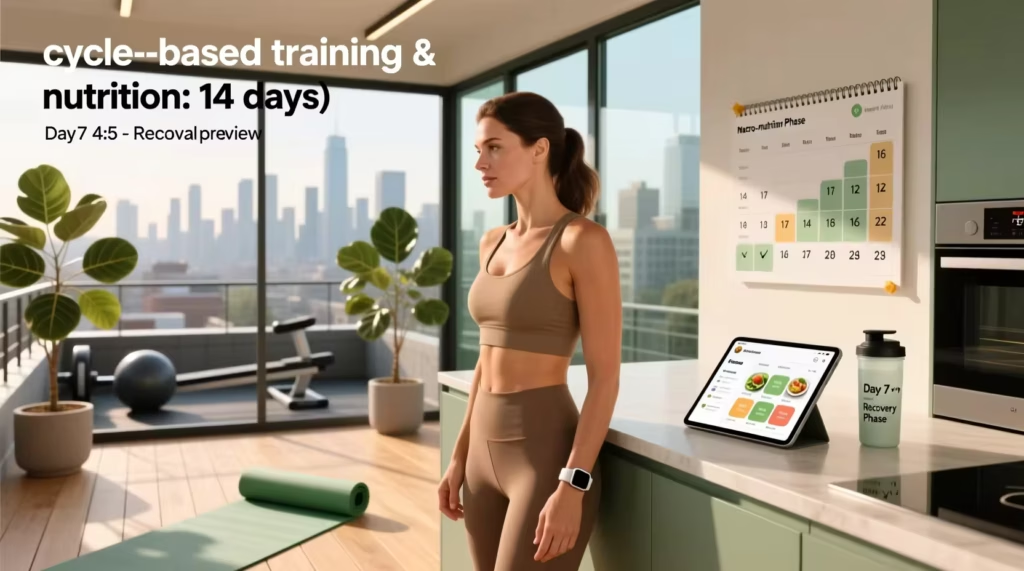
🌙 About 14-Day Cycle-Based Training & Nutrition
Cycle-based training and nutrition refers to adjusting exercise routines and dietary patterns according to the physiological phases of the menstrual cycle. The 14-day version focuses on the follicular phase—from the start of menstruation to ovulation—which typically lasts about 10–14 days in a regular 28-day cycle. During this time, estrogen levels rise gradually, enhancing insulin sensitivity, muscle recovery, and aerobic capacity 1.
This approach is used by athletes, fitness enthusiasts, and health-conscious individuals aiming to optimize performance, manage energy levels, and reduce premenstrual symptoms. Common applications include modifying resistance training volume, increasing carbohydrate intake as energy demands rise, and prioritizing endurance work toward the end of the follicular phase when strength and stamina peak.
✨ Why 14-Day Cycle Syncing Is Gaining Popularity
Interest in cycle-based wellness strategies has grown due to increased awareness of sex-specific physiology in sports science and nutrition. Many women report fluctuating energy, motivation, and physical performance across their cycles, prompting a shift from one-size-fits-all fitness plans to more personalized approaches. Digital tracking apps, wearable technology, and research initiatives like the Apple Women’s Health Study have made it easier to correlate menstrual phases with exercise habits and nutritional needs 2.
User motivations include reducing exercise-related fatigue, improving recovery, managing cravings, and enhancing mental clarity. Athletes may use this method to time peak training loads, while non-athletes adopt it for sustainable weight management and mood regulation. As public discourse normalizes conversations around female physiology, more people are exploring how syncing lifestyle habits with biological rhythms can lead to better long-term wellness outcomes.
⚙️ Approaches and Differences: Common Solutions and Their Differences
Several frameworks exist for implementing cycle-based training and nutrition over a 14-day period. While they share core principles, differences lie in structure, precision, and required tracking effort.
🌿 Symptom-Based Tracking
This intuitive method relies on daily self-assessment of energy, mood, and physical symptoms (e.g., bloating, cramps) rather than strict calendar dates. Users adjust workouts and meals based on how they feel each day.
- Pros: Flexible, accessible, no need for precise cycle tracking
- Cons: Less predictable, may miss optimal windows for high-intensity training
📅 Calendar-Based Planning
This structured approach uses the first day of menstruation as Day 1 and schedules workouts and nutrition targets according to estimated phase progression (e.g., low intensity Days 1–5, progressive overload Days 8–14).
- Pros: Predictable, easy to plan weekly routines, supports consistency
- Cons: Assumes a regular 28-day cycle; less accurate for those with variability
🔬 Biomarker-Informed Syncing
Advanced users track basal body temperature, cervical mucus, or use ovulation predictor kits to identify the exact timing of ovulation and tailor interventions accordingly.
- Pros: Most accurate, aligns closely with actual hormonal shifts
- Cons: Requires time, discipline, and understanding of fertility signs
📊 Key Features and Specifications to Evaluate
When assessing a 14-day cycle-based plan, consider these measurable criteria:
- Hormonal alignment: Does the plan reflect known changes in estrogen and progesterone?
- Nutritional adaptability: Are macronutrient recommendations adjusted for phase-specific metabolism?
- Exercise progression: Is there a logical increase in intensity matching rising energy levels?
- Tracking feasibility: Can the user realistically monitor cycle phase without excessive burden?
- Symptom integration: Does it allow for adjustments based on real-time feedback like fatigue or pain?
Performance indicators include improved workout consistency, reduced perceived exertion, stabilized mood, and fewer energy crashes. These should be evaluated over at least two full cycles to account for natural variation.
✅ Pros and Cons: Balanced Assessment
When It’s Suitable
- 🏃♂️ Individuals with regular menstrual cycles seeking performance optimization
- 🍎 Those experiencing energy dips or intense cravings mid-cycle
- 🏋️♀️ Female athletes preparing for competition within a specific timeframe
- 🧘♂️ People interested in holistic, physiology-informed wellness practices
When It’s Not Recommended
- ❗ Women with irregular cycles, PCOS, or undergoing hormonal therapy
- 📌 Those unable to reliably track their cycle due to lifestyle or health conditions
- 📋 Beginners who haven’t established baseline fitness or nutrition habits
It’s important to note that benefits may vary depending on individual physiology and adherence. Some users see noticeable improvements in recovery and motivation, while others find minimal impact.
🔍 How to Choose a 14-Day Cycle Syncing Plan
Selecting an appropriate approach involves several decision-making steps:
- Determine cycle regularity: Track periods for 2–3 months using a calendar or app to assess consistency.
- Assess personal goals: Identify whether the aim is performance, weight management, or symptom reduction.
- Evaluate time and tools available: Decide if you can commit to daily tracking or prefer a simpler, symptom-based model.
- Review scientific grounding: Look for plans based on peer-reviewed research or developed by certified professionals in sports nutrition or women’s health.
- Test and adjust: Implement the plan for one full cycle, noting changes in energy, performance, and well-being.
Avoid overly prescriptive programs that promise dramatic results or require expensive supplements. Also, avoid rigid scheduling if your cycle length varies significantly. Always consult a healthcare provider before making significant changes, especially if managing a medical condition.
📈 Insights & Cost Analysis
Most 14-day cycle-based training and nutrition plans do not require financial investment beyond basic tools like a journal or free mobile app. However, some paid platforms offer guided programs, meal plans, or integration with wearables.
- Free options: Self-guided planning using online resources (e.g., Cleveland Clinic, Dr. Stacy Sims’ articles) 3.
- Paid subscriptions: Apps like Wild AI or Fitbit Premium offer cycle-aware workout suggestions (~$8–15/month).
- Professional coaching: Personalized guidance from a registered dietitian or strength coach may cost $75–150/hour.
Value-for-money depends on individual needs. For casual users, free methods provide sufficient structure. Serious athletes may benefit from advanced tracking and expert input. There is no evidence that higher-cost programs yield superior outcomes across populations.
🌐 Better Solutions & Competitors Analysis
| Category | Suitable Pain Points | Advantages | Potential Problems | Budget |
|---|---|---|---|---|
| Symptom-Based Approach | Irregular cycles, low tracking tolerance | Flexible, low effort | Inconsistent timing, missed peaks | Free |
| Calendar-Based Program | Regular cycles, goal-focused training | Predictable, easy to schedule | Less accurate with cycle variation | Free–$10/month |
| Biomarker Tracking | High-performance goals, fertility awareness | Precise phase identification | Time-intensive, learning curve | $20–$50 (kits/tools) |
| App-Guided Plans (e.g., Wild AI) | Need structure, tech-savvy users | Automated adjustments, integrates with wearables | Subscription cost, data privacy concerns | $8–15/month |
📝 Customer Feedback Synthesis
Analysis of user reviews and study reports reveals recurring themes:
Positive Feedback
- “I finally understand why my energy crashes after my period—adjusting carbs helped.”
- “My squat PR came on Day 12—timing heavy lifts with my cycle made a difference.”
- “Cravings decreased once I started eating more complex carbs in the late follicular phase.”
Negative Feedback
- “It didn’t work for me—I have PCOS and my cycle is unpredictable.”
- “Too much tracking; felt like another chore.”
- “No noticeable change in performance after three months.”
Common critiques involve the time commitment and lack of benefit for those with hormonal imbalances. Success often correlates with cycle regularity and realistic expectations.
🏥 Maintenance, Safety & Legal Considerations
No legal restrictions apply to cycle-based training and nutrition, but safety considerations exist. Rapid dietary changes or intense training during menstruation may exacerbate fatigue or discomfort in some individuals. People with eating disorders, amenorrhea, or diagnosed endocrine conditions should avoid self-directed protocols without medical supervision.
Maintenance involves consistent cycle tracking and periodic reassessment of goals. If cycle length changes significantly or symptoms worsen, discontinue the plan and consult a healthcare provider. Always verify information from credible sources and check credentials of program creators, especially when following online content.
📌 Conclusion: Conditional Recommendation Summary
If you have a regular menstrual cycle and experience fluctuating energy or performance, a 14-day cycle-based training and nutrition plan may help optimize your workouts and dietary balance. The calendar-based method offers a practical starting point for most users. However, if you have an irregular cycle, hormonal disorder, or find tracking burdensome, this approach may not be suitable. Begin conservatively, focus on one variable (e.g., training intensity), and expand only if initial results are positive.
❓ FAQs
What happens during the 14-day follicular phase?
The follicular phase begins on the first day of menstruation and ends at ovulation. Estrogen rises, improving insulin sensitivity and muscle repair. Energy and endurance typically increase toward the end of this phase.
Can I follow a 14-day cycle plan if my cycle is longer than 28 days?
Yes, but adjust the timeline based on your ovulation date. Use ovulation predictor kits or tracking apps to identify your fertile window and align training accordingly.
Should I eat more carbs during the follicular phase?
Many women benefit from moderate increases in complex carbohydrates as energy demands rise. Focus on whole grains, fruits, and starchy vegetables to support glycogen stores.
Is cycle syncing effective for weight loss?
There is limited direct evidence linking cycle syncing to weight loss. However, improved energy management and reduced cravings may support sustainable habits that contribute to healthy body composition.
Do I need special equipment to start?
No. A notebook, calendar, or free app is sufficient. Optional tools like basal thermometers or ovulation tests can enhance accuracy but are not required.