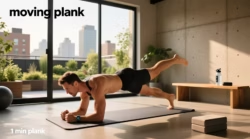
Short Introduction: What Happens When You Plank 1 Minute Every Day?
If you’re wondering what happens to your body when you plank 1 minute every day, the answer is clear: consistent planking builds core strength, improves posture, and enhances full-body stability over time 1. This simple isometric exercise engages multiple muscle groups, including the abs, shoulders, glutes, and back, making it an efficient addition to any fitness routine 2. However, success depends on maintaining proper form—hips aligned, core engaged, spine neutral—to avoid strain or injury 3. Starting with modified planks on your knees can help beginners build endurance safely.
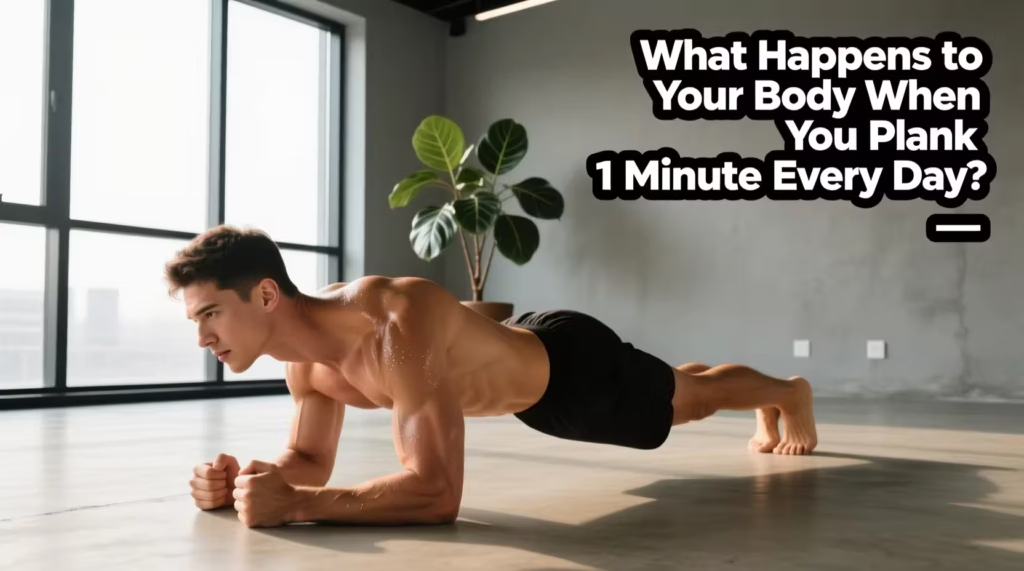
✅ Key Takeaway: A daily 1-minute plank strengthens your core and improves posture, but only if done with correct technique. Prioritize form over duration to maximize benefits and minimize risk.
About the 1-Minute Daily Plank
The plank on hands, also known as the high plank or straight-arm plank, is an isometric exercise where you hold a push-up position while engaging your core and stabilizing your entire body. Unlike dynamic movements like crunches, planks involve static muscle contraction, which increases endurance and functional strength 4.
This variation specifically uses the hands (rather than forearms) for support, placing more emphasis on the shoulders, triceps, and chest. It’s commonly used in home workouts, HIIT routines, and yoga flows due to its minimal equipment needs and short time commitment. Performing this move for just one minute per day makes it accessible even for those with tight schedules.
Typical use cases include morning mobility routines, midday energy boosts, or integration into broader strength training sessions. Because it requires no gear and little space, the 1-minute hand plank has become a popular entry point for people building foundational core stability.
Why the 1-Minute Daily Plank Is Gaining Popularity
In recent years, the 1-minute daily plank challenge has gained traction across social media, fitness blogs, and wellness communities. One reason is its simplicity—unlike complex gym regimens, this habit demands only 60 seconds and can be done anywhere. People are drawn to measurable goals, such as holding a full minute without breaking form, which fosters a sense of achievement.
Another factor is the growing awareness of core health beyond aesthetics. Many now understand that strong abdominal and postural muscles contribute to better movement efficiency, reduced discomfort from sitting, and improved balance during everyday activities like lifting or bending 5. As remote work increases sedentary behavior, simple practices like planking offer a practical counterbalance to prolonged screen time.
Fitness influencers and digital platforms have further amplified interest by sharing transformation stories and progress timelines, often highlighting improvements in posture and confidence after consistent practice.
Approaches and Differences
While the standard hand plank is effective, several variations exist to accommodate different fitness levels and goals:
- High Plank (on Hands): ✅ Engages upper body more intensely; ❌ May strain wrists or shoulders in beginners.
- Forearm Plank: ✅ Easier on wrists; ideal for core focus; ❌ Less upper-body activation compared to hand version.
- Modified Knee Plank: ✅ Accessible for new exercisers; reduces lower back strain; ❌ Less intense overall engagement.
- Side Plank: ✅ Targets obliques and lateral stability; ❌ Requires greater balance and shoulder strength.
- Dynamic Plank Variations (e.g., shoulder taps, plank-to-push-up): ✅ Increases calorie burn and coordination; ❌ Higher risk of improper form leading to injury.
Choosing the right approach depends on your current strength, joint comfort, and fitness objectives. For most beginners aiming to start a sustainable habit, beginning with a modified knee plank and progressing to a full hand plank is recommended.
Key Features and Specifications to Evaluate
To assess whether your plank routine is effective, consider these measurable indicators:
- Form Quality: Is your body in a straight line? Are hips neither sagging nor lifted too high?
- Duration Progression: Can you hold 30 seconds comfortably before advancing to 45 or 60?
- Muscle Engagement: Do you feel activation in your core, glutes, and shoulders—not just fatigue?
- Posture Awareness: Are you standing taller throughout the day with less slouching?
- Mental Focus: Can you maintain concentration during the hold without distraction?
These features help determine not just physical improvement but also neuromuscular control and mind-body connection—key components of functional fitness.
Pros and Cons
Understanding both advantages and limitations helps set realistic expectations for incorporating a daily plank into your lifestyle.
| Pros | Description | Cons | Description |
|---|---|---|---|
| Core Strength | Builds deep abdominal and spinal support muscles. | Improper Form Risk | Poor alignment may lead to back or shoulder strain. |
| Posture Improvement | Encourages upright alignment and reduces forward hunch. | Wrist Discomfort | Hand positioning can stress wrists; forearm option preferred. |
| Time Efficiency | Takes only 1 minute; fits into busy schedules. | Limited Cardiovascular Benefit | Does not significantly raise heart rate or burn calories. |
| Mental Resilience | Develops focus, discipline, and self-efficacy. | Overuse Potential | Daily repetition without rest may cause muscle soreness. |
| Full-Body Activation | Engages arms, legs, back, and core simultaneously. | Not a Standalone Solution | Should complement—not replace—balanced exercise routines. |
How to Choose the Right Plank Approach
Selecting the best plank method involves assessing your current fitness level and long-term goals. Follow this step-by-step guide:
- Evaluate Your Starting Point: If you struggle to hold a 20-second plank, begin with a modified knee version.
- Choose Support Surface: Use a yoga mat or carpeted floor to reduce pressure on hands and knees.
- Pick the Variation That Suits You: Opt for forearm planks if you have wrist sensitivity; choose hand planks for greater upper-body engagement.
- Set a Realistic Timeline: Aim to gradually increase hold time by 10–15 seconds weekly until reaching 60 seconds.
- Integrate Into a Routine: Pair your plank with existing habits—after brushing teeth or before coffee—for consistency.
- Avoid These Mistakes:
- Letting hips drop or rise too high
- Holding breath during the exercise
- Pushing through pain instead of adjusting form
- Skipping warm-up on cold mornings
Insights & Cost Analysis
The financial cost of adding a 1-minute daily plank to your routine is effectively zero. No special equipment, membership, or app subscription is required. However, investing in a basic yoga mat ($15–$30) can improve comfort and grip, especially on hard floors.
Compared to other core-focused tools like ab rollers ($20–$50) or resistance bands ($10–$25), planking offers superior value because it builds functional strength without relying on external devices. Its low time investment also translates to high efficiency—just 7 minutes per week yields measurable gains in stability and endurance over time.
Better Solutions & Competitor Analysis
While planking is highly effective, combining it with other exercises may yield better overall results. Below is a comparison of common core-strengthening methods:
| Solution | Best For | Potential Drawbacks |
|---|---|---|
| Plank (Daily 1-Minute) | Building endurance, improving posture, mental focus | Limited muscle hypertrophy; static nature |
| Crunches/Sit-Ups | Targeted rectus abdominis activation | Can strain neck and lower back; repetitive motion |
| Cable Woodchops | Rotational strength and power development | Requires gym access and equipment |
| Dead Bugs / Bird-Dogs | Beginner-friendly core activation with spinal protection | Lower intensity; slower progression |
| Ab Roller | Advanced core challenge and shoulder stability | High risk of poor form; not beginner-safe |
Customer Feedback Synthesis
Based on widely reported experiences, users consistently highlight certain themes:
- Frequent Praise:
- “I noticed I stand straighter within two weeks.”
- “It’s easy to remember and do every day.”
- “My core feels tighter and stronger when lifting things.”
- Common Complaints:
- “My wrists hurt after a few days.”
- “I didn’t see changes fast enough and gave up.”
- “It gets boring quickly without variation.”
These insights suggest that while many appreciate the accessibility and effectiveness of the daily plank, some face challenges related to joint comfort and motivation sustainability.
Maintenance, Safety & Legal Considerations
To maintain long-term safety and effectiveness:
- Warm Up First: Light stretching or marching in place prepares muscles for isometric contraction.
- Focus on Alignment: Keep head, spine, and pelvis in a neutral line; engage core gently but fully.
- Modify When Needed: Switch to knee or forearm planks if experiencing discomfort.
- Listen to Your Body: Stop immediately if sharp pain occurs. Mild fatigue is normal; persistent pain is not.
- Allow Recovery: While daily planking is possible, alternating with rest days may prevent overuse.
No legal regulations govern personal planking, but group fitness instructors should be certified to teach proper form. Always consult a qualified professional if you have pre-existing musculoskeletal concerns.
Conclusion
If you want to improve core strength, enhance posture, and develop mental resilience with minimal time investment, committing to a 1-minute hand plank every day can be a valuable practice. The key lies in consistency and correct execution—not duration or intensity. By starting with modifications, focusing on form, and integrating the habit into your daily rhythm, you’ll likely notice improved stability, better alignment, and increased confidence over time. Remember, small actions compound: one minute today builds the foundation for lasting functional fitness.
Frequently Asked Questions
What happens if I do a 1-minute plank every day?
Regular planking strengthens your core muscles, improves posture, enhances full-body stability, and builds mental endurance. Over time, you may notice better alignment, reduced strain during daily movements, and increased confidence in physical tasks.
Is planking on hands better than on forearms?
Planking on hands engages the shoulders, triceps, and chest more actively, offering greater upper-body involvement. However, forearm planks are gentler on the wrists and may be preferable for those with joint sensitivity.
Can planking reduce belly fat?
Planking alone does not burn significant calories or spot-reduce fat. However, building core muscle can improve abdominal definition when combined with overall body fat reduction through nutrition and cardiovascular activity.
How long until I see results from daily planks?
Some people report feeling stronger and standing taller within two weeks. Visible changes in core tone may take several weeks to months, depending on individual factors like diet, overall activity level, and starting fitness.
Why does my back hurt when I plank?
Back pain during planking usually indicates improper form—such as sagging hips or overarching the spine. Ensure your body forms a straight line and your core is engaged. Try a modified knee plank to rebuild form and strength safely.